Last Updated on 25/05/2026 by Nicole Alba
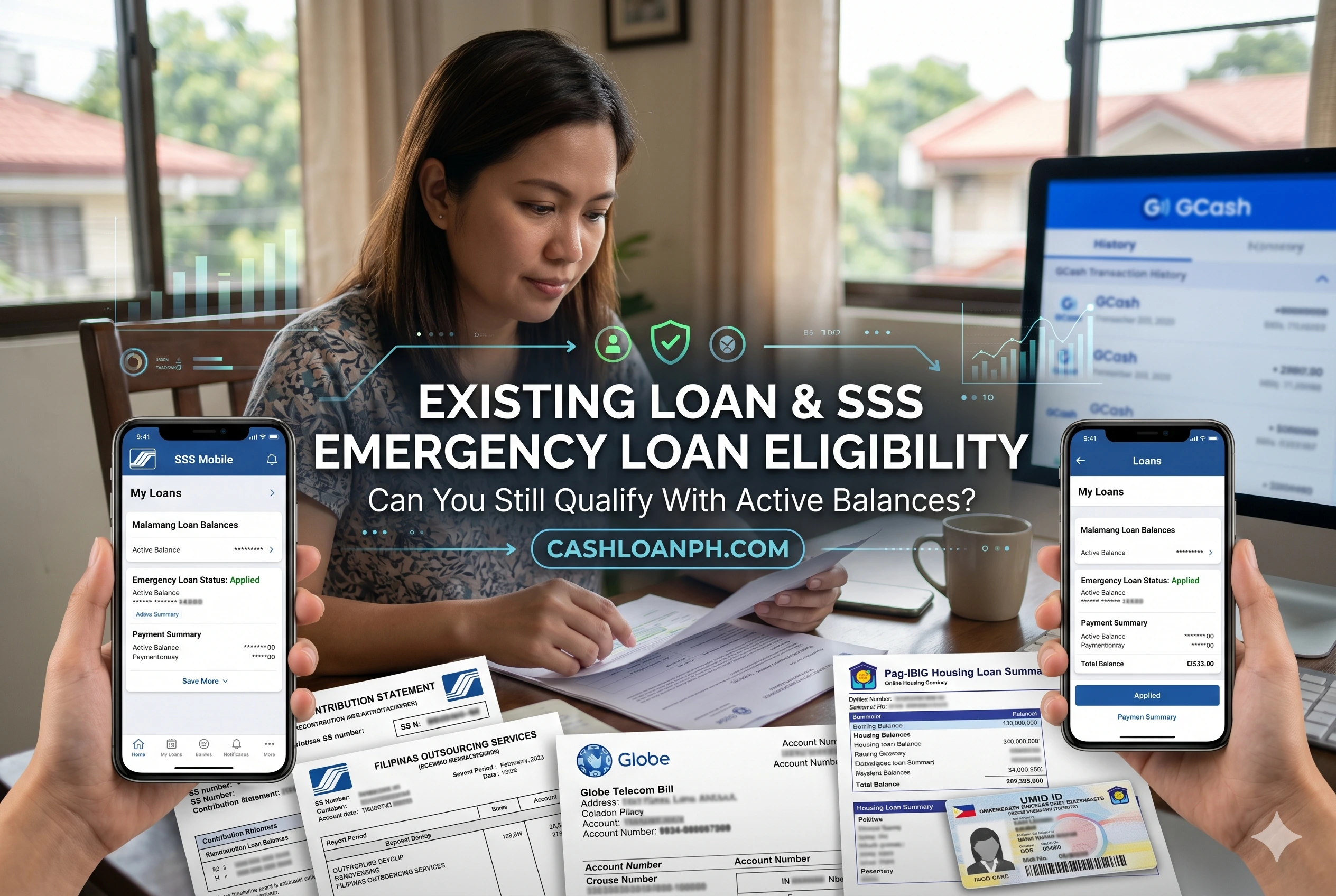
Many members assume that having an existing SSS loan automatically blocks them from applying for an emergency loan. In reality, eligibility depends on the type of active loan, repayment behavior, restructuring status, employer remittance compliance, and whether the account is considered delinquent. Some members with active salary loans or calamity loans may still qualify, while others with restructured or defaulted balances could face restrictions, automatic deductions, or temporary suspension. The SSS system evaluates contribution history, outstanding obligations, and account standing before approval. Members who prepare their records early and verify loan status through My.SSS often avoid preventable delays, rejected applications, or confusion during assessment.
Why Existing Loans Do Not Automatically Disqualify You
A common misconception among Filipino workers is that only members with zero balances can apply for emergency-related SSS loan programs. That is not how the actual assessment system works.
The Social Security System generally evaluates three major factors first:
- Contribution compliance
- Current loan standing
- Delinquency or restructuring history
An active balance alone is not necessarily a problem.
For example:
- A member with an active salary loan that is updated and regularly deducted from payroll may still qualify.
- A member with a calamity loan under good standing may still pass eligibility checks.
- A borrower with unpaid amortizations, employer remittance gaps, or restructured balances may encounter restrictions.
This distinction matters because many members panic after seeing an “existing loan detected” notification inside My.SSS. In many cases, the system is only verifying overlapping obligations rather than rejecting the application outright.
The difference usually comes down to account health rather than account existence.
How SSS Evaluates Existing Loan Holders 📋
SSS does not rely solely on whether a member currently owes money. The platform evaluates behavioral and repayment signals.
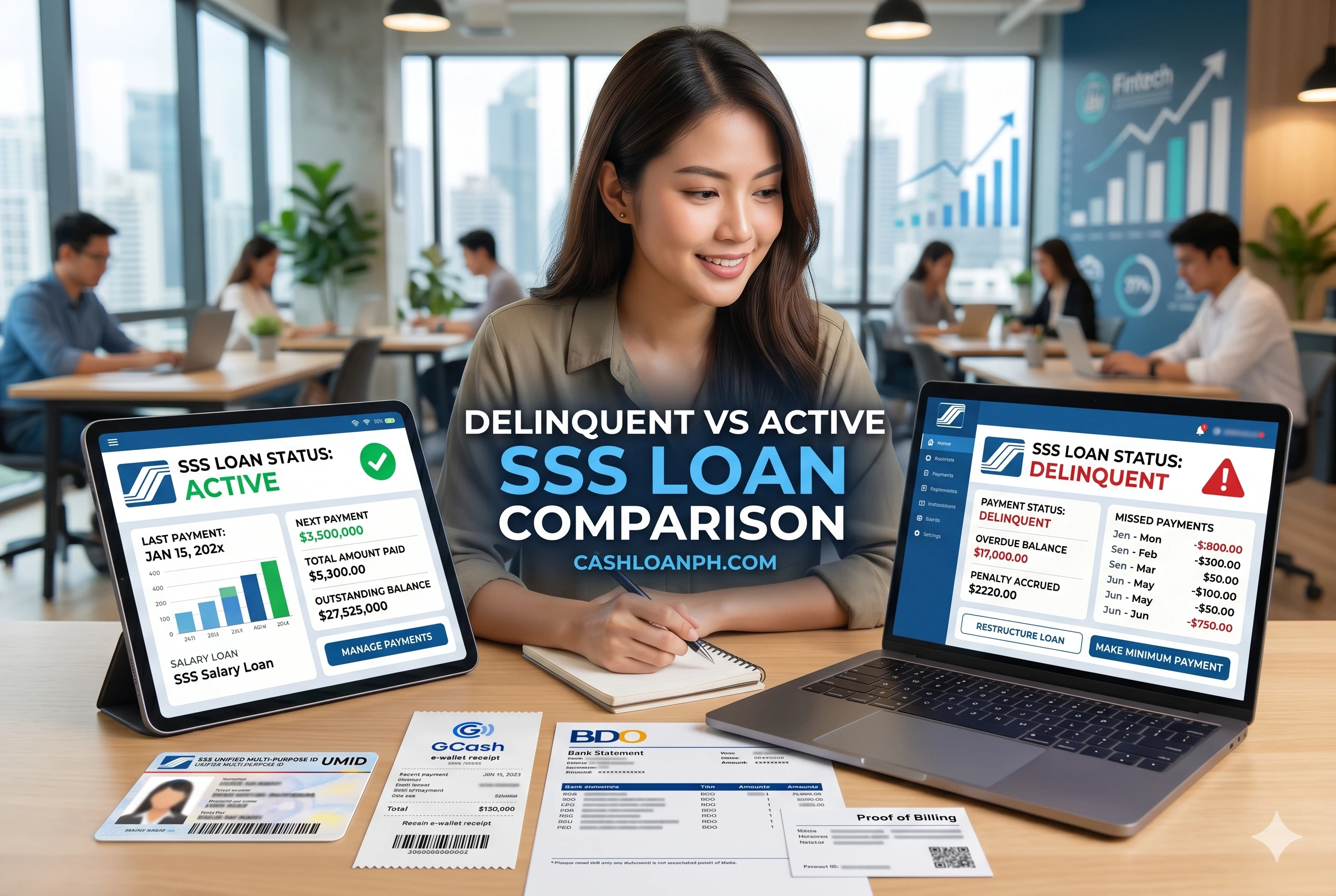
Active Loan vs Delinquent Loan
There is a major difference between:
- An active loan under regular repayment
- A delinquent loan with missed amortizations
Members with healthy repayment behavior are generally treated differently from members flagged for collection concerns.
Operationally, SSS systems check:
| Assessment Factor | Why It Matters |
|---|---|
| Payment history | Indicates repayment discipline |
| Contribution continuity | Shows active employment or income activity |
| Employer remittance consistency | Prevents posting issues |
| Loan restructuring records | Reflects previous repayment difficulties |
| Loan condonation participation | May affect standing temporarily |
| Outstanding principal balance | Determines deduction logic |
Many borrowers overlook employer-side delays. In some cases, employees think they are delinquent when the employer simply failed to remit deductions on time.
This is why reviewing your contribution posting history before filing is extremely important.
System Validation Happens Automatically
Modern SSS loan processing is heavily digitized.
The system now cross-checks:
- Contribution records
- Employer reports
- Existing loan databases
- Disbursement enrollment
- Bank account verification
- Mobile OTP authentication
This automated assessment reduces manual review but also increases strictness in identifying inconsistencies.
For example, members who recently changed employers sometimes experience temporary contribution posting gaps. Even when deductions were made from payroll, the records may not yet appear in the system during application.
That mismatch can affect emergency loan evaluation.
Can You Apply If You Have an Active Salary Loan?
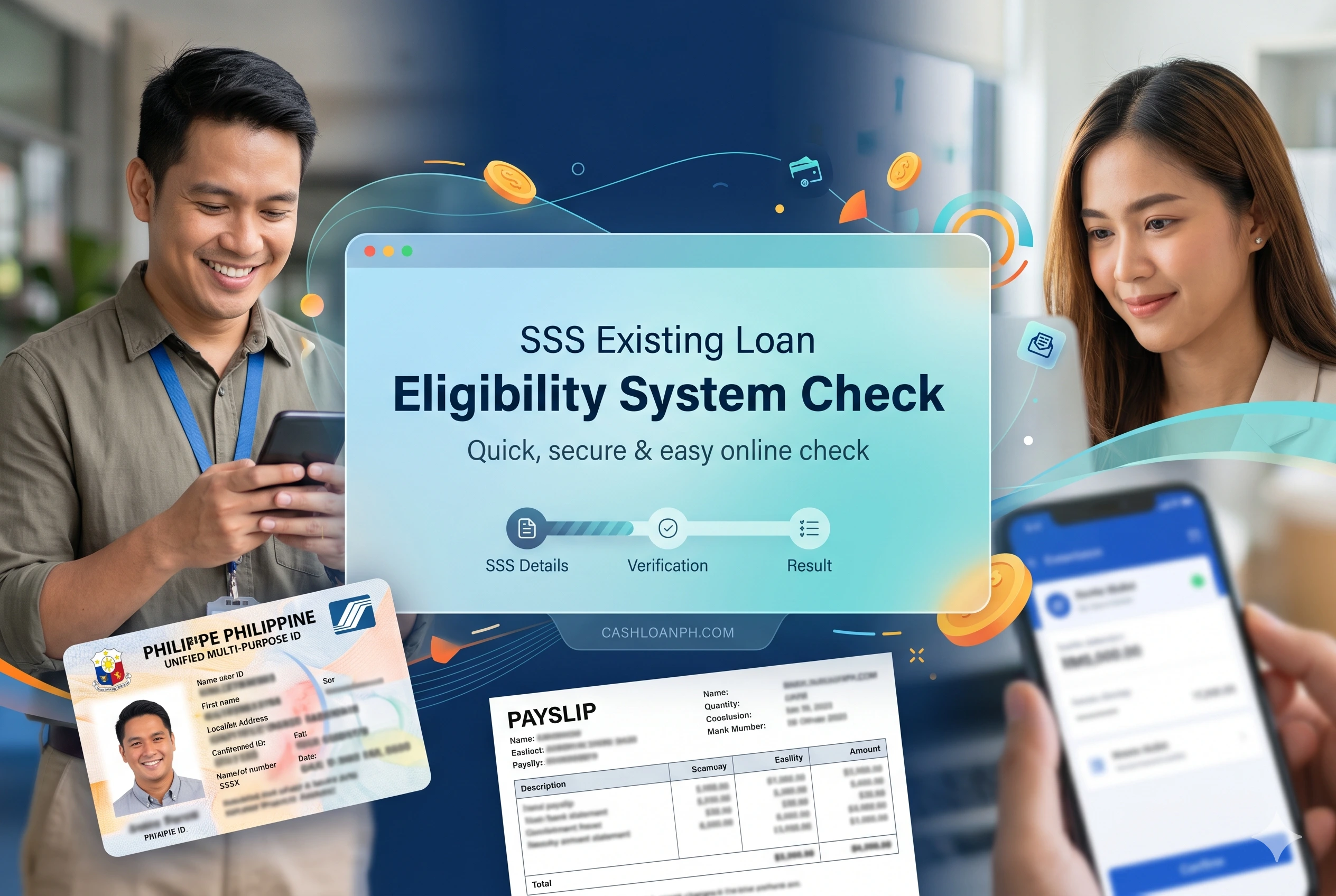
Yes, many members with active salary loans can still apply for emergency loan programs.
However, approval depends on account condition.
Members in Good Standing Usually Have Better Chances
A borrower with:
- Updated monthly amortizations
- Continuous contributions
- No delinquency tag
- No fraud flags
- Valid disbursement enrollment
may still qualify even with an ongoing salary loan.
This is where contextual evaluation matters.
SSS emergency-related programs are often created during disasters, economic disruptions, or national emergencies. Because of that, overlapping loan flexibility may exist depending on the program rules issued during that period.
Some emergency programs were specifically designed to help members already carrying loan obligations.
Outstanding Balances May Still Affect the Final Amount
Even if approved, existing balances can affect:
- Net proceeds
- Deduction calculations
- Release amounts
For instance:
- Unpaid interest may be deducted first
- Penalties may offset disbursement
- Previous loan balances may reduce available proceeds
Members sometimes expect the full advertised amount but receive lower proceeds because the system automatically offsets outstanding obligations.
This causes confusion among borrowers who only check the approved amount rather than the net credited amount.
How Loan Overlap Restrictions Work ⚠️
Loan overlap restrictions are not always blanket prohibitions.
Instead, SSS applies layered qualification logic depending on:
- Loan category
- Repayment condition
- Emergency program guidelines
- Current account classification
Some Loan Types Can Coexist
Historically, some members have been allowed to maintain:
- Salary loans
- Calamity loans
- Emergency restructuring balances
at the same time, provided repayment behavior remained acceptable.
However, restrictions become tighter when:
- Multiple unpaid obligations accumulate
- Accounts enter default status
- Collection tagging begins
- Restructured balances remain unsettled
The system prioritizes risk management.
SSS lending programs are designed as social protection mechanisms, but repayment sustainability still matters.
Loan Restructuring Changes Risk Assessment
Restructured accounts receive closer scrutiny.
A recently restructured loan can signal prior repayment difficulty, even if the member is now updated.
That does not always mean automatic disqualification. But it may trigger:
- Additional verification
- Delayed approval
- Reduced eligible amount
- Temporary restrictions
Members who completed restructuring successfully and resumed normal contribution patterns usually stand in a stronger position than borrowers who repeatedly miss payments after restructuring.
Does Delinquency Disqualify You?
In many cases, serious delinquency can reduce or block eligibility.
But the answer is not always absolute.
Minor Delays vs Severe Delinquency
A member who missed a deduction because of payroll timing issues may not be treated the same as someone with long-term unpaid balances.
SSS systems generally distinguish between:
- Temporary payment gaps
- Chronic non-payment
- Defaulted obligations
- Accounts under collection review
This distinction matters because many workers incorrectly assume any missed payment equals permanent disqualification.
Employer-Related Delinquency Problems Are Common
One overlooked issue involves delayed employer remittances.
Employees often discover problems only after attempting an application.
Typical cases include:
- Payroll deductions were made but not remitted
- Employer filed late contribution reports
- Contribution posting mismatches occurred
- Employment transitions interrupted records
These operational issues can temporarily affect your sss emergency loan eligibility even when the member personally complied.
Checking My.SSS contribution posting before applying can help identify these problems early.
Can Restructured Loans Still Qualify?
Yes, some restructured borrowers may still qualify depending on current standing.
But restructuring history changes how risk is evaluated.
Recently Restructured Accounts Face More Scrutiny
Members under restructuring programs are often reviewed more carefully because restructuring signals earlier repayment stress.
The system may assess:
- Whether payments resumed consistently
- Whether contributions continued
- Whether new arrears developed
- Whether the restructuring agreement remains active
Borrowers who resumed stable employment after restructuring tend to fare better than those with continuing payment interruptions.
Loan Condonation Participation Can Also Matter
Loan condonation programs help members reduce penalties and restore account standing.
However, members sometimes misunderstand how condonation affects future borrowing.
Important distinction:
- Completing condonation successfully may improve standing over time
- Incomplete compliance may continue triggering restrictions
Members should confirm whether their account status has officially normalized before applying for new emergency-related programs.
Will Existing Balances Be Deducted Automatically?
In many cases, yes.
Automatic deduction is one of the most misunderstood parts of SSS emergency lending.
How Offset Logic Works
When a member has existing obligations, the system may apply offsets before release.
Possible deductions include:
- Outstanding principal
- Interest balances
- Penalties
- Past due amortizations
This means:
- Approved amount ≠ final released amount
Many borrowers only notice this after funds arrive in their bank or e-wallet account.
Disbursement Enrollment Also Affects Processing
Even qualified borrowers can encounter delays if their disbursement account enrollment has issues.
SSS now relies heavily on digital disbursement systems involving:
- PESONet-enabled banks
- e-wallet-linked institutions
- Account name matching
- ID verification
- Facial validation in some onboarding flows
A mismatch between:
- registered SSS name
- bank account name
- uploaded IDs
can trigger manual review even if the loan itself is approved.
This operational issue has become increasingly common among freelancers, gig workers, and members using digital banks.
Common Borrower Situations That Cause Confusion 🤔
Member With Unpaid Salary Loan
A borrower with unpaid salary loan amortizations may still qualify if the account has not entered severe delinquency.
However:
- approval may be reduced,
- deductions may apply,
- or the system may require updated contributions first.
Members should avoid assuming automatic rejection without checking actual account classification.
Member With Existing Calamity Loan
Existing calamity loan holders are not always barred from emergency programs.
The key issue is usually repayment behavior.
Borrowers with updated amortizations and active contributions generally have stronger eligibility positioning than members already under repayment stress.
Freelancer or Gig Worker With Irregular Contributions
This group experiences unique issues.
Many self-employed or platform-based workers:
- remit contributions irregularly,
- skip months during low income periods,
- or change payment frequency.
Even without delinquent loans, inconsistent contributions can weaken loan assessment results.
This is why reviewing minimum contribution requirements before filing is critical for freelance and self-employed applicants.
Practical Ways to Improve Your Chances Before Applying ✅
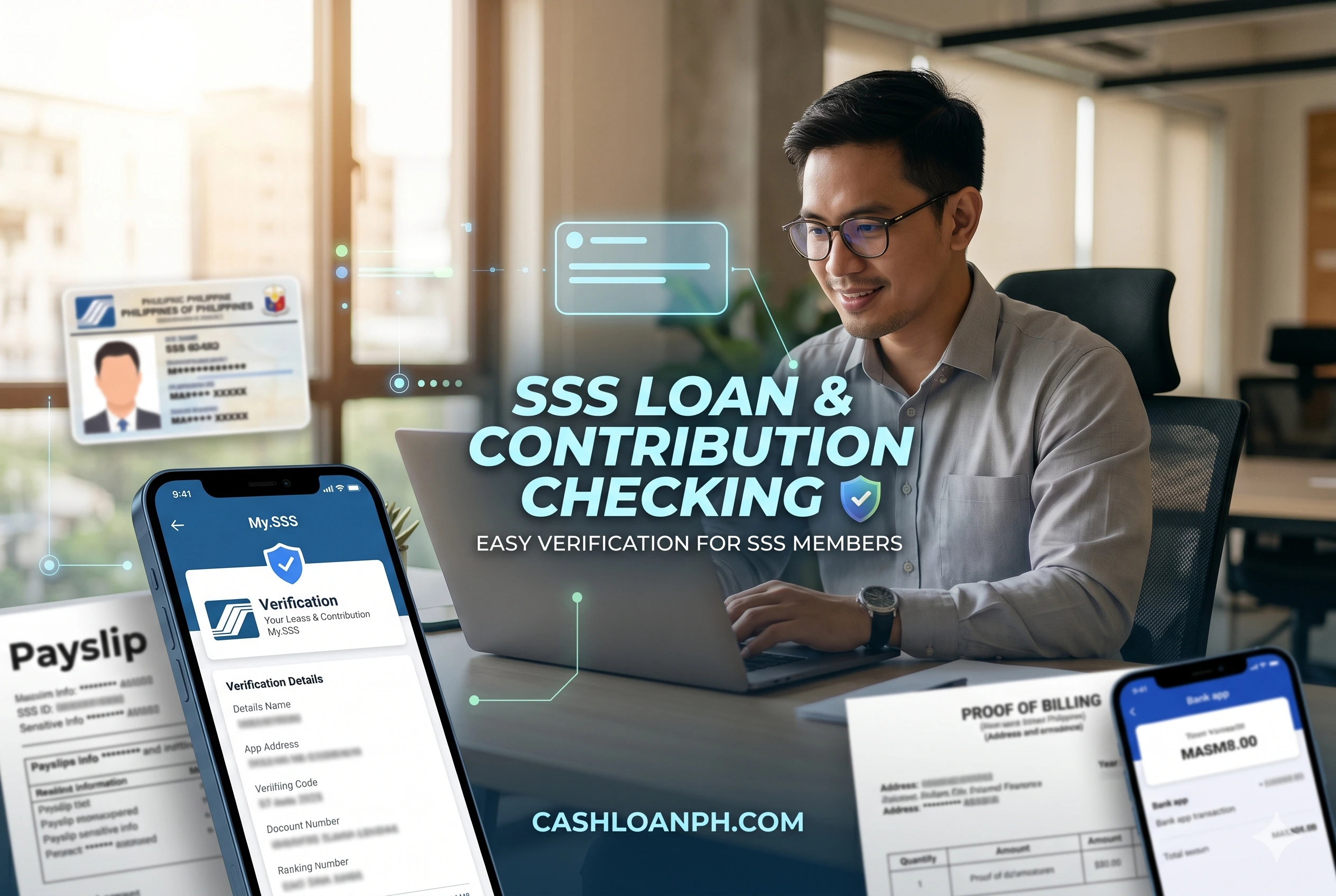
Verify Your Contribution Posting
Before submitting any application:
- Log into My.SSS
- Check posted contributions
- Review employer remittances
- Confirm loan payment history
- Validate DAEM enrollment
Many preventable rejections happen because members apply before records fully update.
Resolve Disbursement Account Issues Early
Common DAEM problems include:
- blurred ID uploads,
- unsupported bank accounts,
- name mismatches,
- inactive accounts,
- duplicate enrollments.
Resolving these before application reduces delays significantly.
Avoid Simultaneous Financial Stress Signals
Borrowers who recently:
- missed loan payments,
- changed employers,
- stopped contributions,
- or restructured balances
may benefit from stabilizing records first before applying.
SSS systems increasingly rely on behavioral consistency as a trust indicator.
Quick Answers to Common Eligibility Questions
Can I apply with an active salary loan?
Yes, many members with active salary loans can still qualify if repayments and contributions remain updated.
Does delinquency automatically disqualify me?
Not always. Severity, duration, and account classification matter. Minor posting delays are treated differently from chronic unpaid balances.
Will SSS deduct existing balances automatically?
In many cases, yes. Outstanding obligations may reduce the released amount through automatic offsetting.
Can restructured loans still qualify?
Some restructured accounts may still qualify, especially if repayment resumed consistently and contributions remain active.
Why Many Members Misinterpret Eligibility Results
Borrowers often confuse these three statuses:
| Status | Meaning |
|---|---|
| Existing loan | You currently have an active balance |
| Delinquent account | Your repayment condition has become problematic |
| Disqualified member | You currently fail program requirements |
These are not interchangeable.
A member can have:
- an existing balance,
- active amortizations,
- and still remain eligible.
Meanwhile, another borrower with smaller balances but severe delinquency could fail assessment.
This distinction explains why forum discussions about SSS loan approvals often contain conflicting experiences.
The system evaluates more than just balance size.
How Digital Verification Changed Loan Assessment
Modern emergency loan processing is now far more data-driven compared to older manual workflows.
Current evaluation systems increasingly rely on:
- automated contribution analysis,
- identity verification,
- device-level fraud detection,
- OTP validation,
- payroll consistency checks,
- and digital disbursement verification.
This shift matters because some borrowers still rely on outdated assumptions from pre-digital filing periods.
For example:
- changing mobile numbers without updating SSS,
- using mismatched bank names,
- or uploading low-quality IDs
can now interrupt approval even when contribution requirements are technically satisfied.
Members reviewing sss emergency loan requirements should pay attention not only to eligibility rules but also to digital verification readiness.
Conclusion
Having an existing SSS loan does not automatically remove your eligibility for emergency loan programs. What matters more is the overall health of your account, including contribution consistency, repayment behavior, delinquency status, restructuring history, and disbursement readiness.
Members with active salary loans, calamity loans, or previously restructured balances may still qualify if their records remain updated and compliant. On the other hand, severe delinquency, unresolved contribution gaps, or verification inconsistencies can reduce approval chances or delay processing.
Before applying, review your My.SSS records carefully, verify contribution postings, check loan standing, and confirm that your disbursement account information matches your official documents. Responsible borrowing and proactive record maintenance remain the best ways to improve approval outcomes and avoid avoidable application setbacks.