Last Updated on 10/11/2026 by Nicole Alba
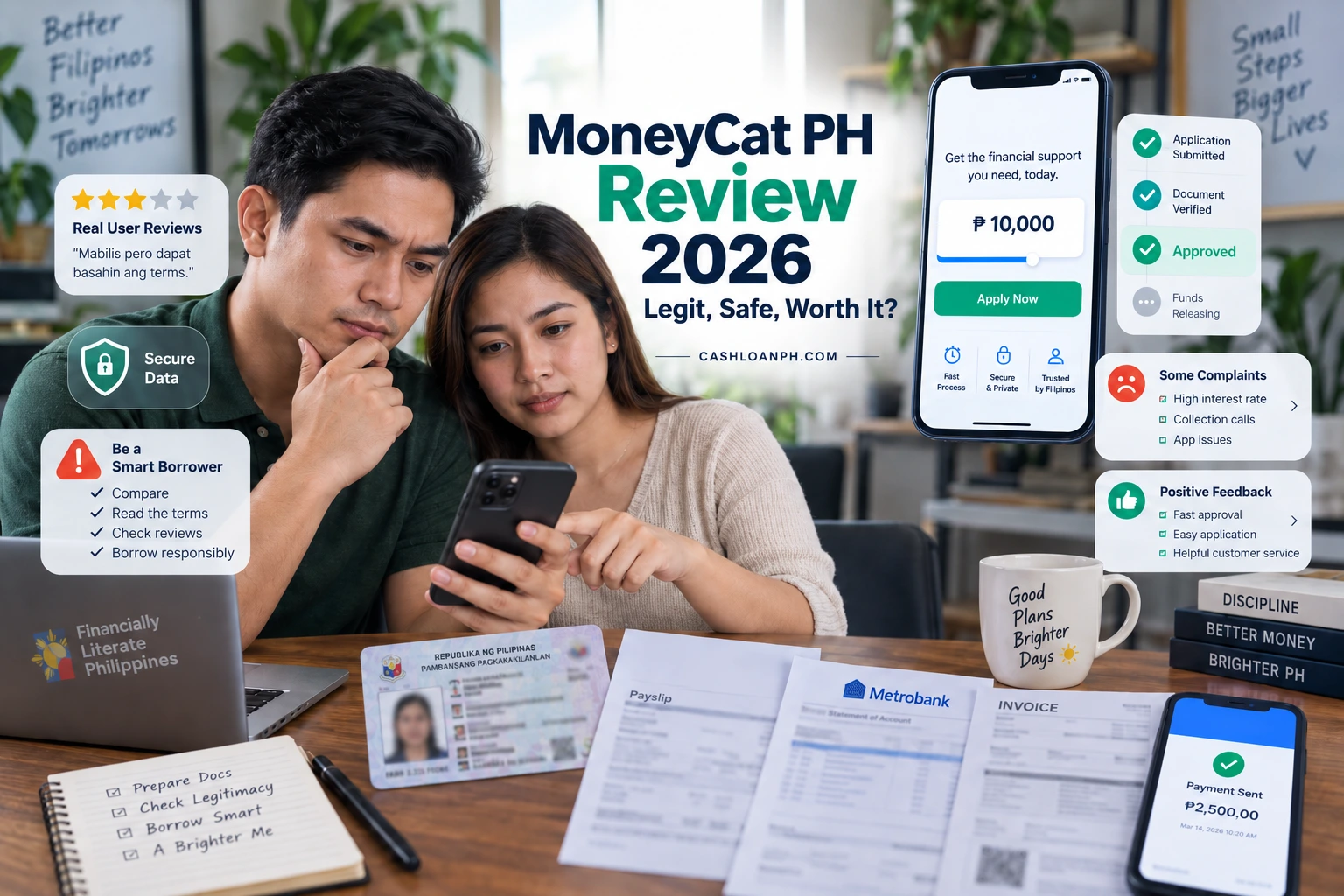
Filipinos searching for quick cash loans with instant approval face a flooded app market in 2026. Behind the promise of five-minute disbursements lie aggressive processing fees, shortened repayment windows, and intrusive data permissions. This review examines the actual mechanics, costs, and regulatory realities of instant-approval lending platforms operating under the Securities and Exchange Commission (SEC) and Bangko Sentral ng Pilipinas (BSP) frameworks.
Summary: Instant cash loans in the Philippines offer genuine emergency liquidity but often mask true borrowing costs through heavy upfront deductions. While the SEC and National Privacy Commission (NPC) have tightened enforcement on unregistered platforms and contact-scraping, licensed apps still legally charge maximum allowable rates. First-time borrowers rarely receive the advertised maximum limits, typically starting between PHP 1,000 and PHP 2,500. The primary risk remains late payment penalties that compound daily. Borrowers must verify the lender’s exact corporate name against the SEC list of authorized lending companies before downloading any application.
| Borrower Question | Current Finding | Why it matters |
| Are these loans actually instant? | Algorithms approve applications within minutes, but initial limits are severely restricted. | Advertised limits of PHP 25,000+ do not apply to new users. |
| How much will I receive? | Lenders deduct processing fees (often 10% to 20%) before disbursement. | A PHP 2,000 approved loan often yields only PHP 1,600 in your e-wallet. |
| Is my contact list safe? | NPC regulations prohibit blanket phonebook access for loan processing. | Apps requiring full contact list permissions violate current Philippine privacy laws. |
The Anatomy of a 2026 Instant Approval Loan
Direct Answer: Instant approval algorithms rely on alternative data—device behavior, e-wallet transaction history, and identity verification patterns—rather than traditional credit scores. Approval takes minutes, but standard initial limits hover between PHP 1,000 and PHP 3,000.
Most platforms market maximum loans of PHP 20,000 to PHP 50,000. First-time applicants never see these amounts. Lenders mitigate the high default risk of uncollateralized, instant-decision lending by capping initial exposure. Repayment behavior on the first micro-loan unlocks higher tiers. The “instant” mechanism requires the borrower to link an active e-wallet, typically GCash or Maya, which serves as both the disbursement channel and the primary collection method.
Calculating the True Cost: Advertised Rates vs. Net Proceeds
Direct Answer: Borrowers rarely receive the full requested principal. Platforms deduct service and platform fees directly from the approved amount, raising the Effective Interest Rate (EIR) well beyond the advertised nominal rate.
A standard PHP 2,000 loan application usually results in a net disbursement of PHP 1,600 to PHP 1,800. The missing PHP 200 to PHP 400 represents upfront fees. The borrower must still repay the full PHP 2,000 plus accrued interest at the end of the term. Under BSP Circular No. 1133, lenders must display the EIR, factoring in these upfront deductions. Borrowers evaluating an app must check the disclosure statement generated right before final acceptance, ignoring the marketing materials on the app store.
Regulatory Status and SEC Compliance
Direct Answer: Operating a lending app in the Philippines requires explicit SEC authorization as a Lending or Financing Company, plus a registered Certificate of Authority (CA) specific to the online platform.
A standard corporate SEC registration does not grant the right to lend money to the public. The SEC maintains a specific, periodically updated list of registered online lending platforms. Unregistered apps operate illegally and entirely bypass interest rate caps. For legally registered entities, the SEC imposes a maximum nominal interest rate of 15% per month (or approximately 0.5% per day), a 5% surcharge for late payments per month, and a total cost cap of 100% of the borrowed amount.
Data Privacy and Debt Collection Realities
Direct Answer: Harassment and public shaming violate SEC Memorandum Circular No. 18 and NPC guidelines. Legal apps cannot require access to a borrower’s entire contact list to approve a loan.
Earlier generations of loan apps routinely scraped contact lists to text relatives and employers when borrowers defaulted. Current NPC directives forbid this practice. Borrowers must scrutinize app permissions before installation. If an app demands access to contacts, photo galleries, or social media accounts to process an “instant” approval, it operates outside standard regulatory boundaries. Civil debt default does not carry prison terms in the Philippines. Lenders can, however, employ collection agencies that use persistent daily calling routines to recover funds.
Pros and Cons of Instant Cash Apps
Pros:
- Bypasses traditional bank underwriting and documentary requirements.
- Fast e-wallet integration provides actual same-day liquidity.
- Serves unbanked populations lacking formal credit histories.
Cons:
- Punishing Effective Interest Rates due to upfront deductions.
- Immediate late-fee compounding on short initial repayment windows (often 7 to 14 days).
- High exposure to aggressive third-party collection agencies upon default.
Borrower Decision Framework
Evaluate the financial emergency objectively. If the funds are not directed toward an immediate, unavoidable necessity, the financing cost outweighs the benefit. Verify the SEC Certificate of Authority for the specific app name. Calculate the exact difference between the disbursed amount and the final repayment amount to determine the true cost. Secure the exact repayment source before clicking accept.
References
- Securities and Exchange Commission (SEC) Philippines Organization: SEC Philippines Resource: List of Registered Online Lending Platforms URL: https://www.sec.gov.ph/lending-companies-and-financing-companies-2/list-of-registered-online-lending-platforms/
- Bangko Sentral ng Pilipinas (BSP) Organization: BSP Resource: Circular No. 1133 – Price Transparency URL: https://www.bsp.gov.ph/Regulations/Issuances/2021/c1133.pdf
- National Privacy Commission (NPC) Organization: NPC Resource: Guidelines on the Processing of Personal Data for Loan Operations URL: https://www.privacy.gov.ph/issuances/