Last Updated on 25/07/2026 by Nicole Alba
Seeing a rejected loan application pop up on your screen when you desperately need funds to fix your car or cover an urgent medical bill is an incredibly heavy feeling. If your credit score has taken a hit, you might feel entirely locked out of the financial system. Take a breath—you are not out of options, and your debt does not define your worth. It is also important to remember that in the Philippines, unpaid civil debts do not lead to imprisonment. Algorithmic financial platforms have evolved significantly, and many no longer rely solely on traditional bank scores to evaluate your ability to pay.
Summary: Securing a fast cash loan online bad credit approval relies heavily on alternative data rather than traditional banking credit scores. Digital lenders in the Philippines use algorithmic cash flow underwriting, analyzing metrics like your e-wallet transaction history, utility payments, and mobile app behavior to gauge your repayment capacity. While these alternative platforms provide accessible emergency funding without requiring a flawless credit history, they often offset their subprime lending risks by charging higher processing fees and applying maximum allowable interest rates. Borrowers must balance immediate liquidity needs against the higher costs of alternative credit.
Key Takeaways: Traditional Banks vs. Alternative Digital Lenders
| Feature | Traditional Bank Loans | Alternative Digital Lenders |
| Primary Metric | TransUnion/CIC Credit Score | Alternative Data & Cash Flow |
| Approval Speed | 3 to 7 business days | 10 minutes to 24 hours |
| Income Proof | ITRs, Payslips, COE | Open Banking APIs, E-wallet limits |
| Credit Check Type | Hard Pull (Affects score) | Soft Pull or Behavioral Data Check |
| Average Cost | Lower annual interest rates | Higher rates near the 3% monthly cap |
Why Do Traditional Banks Reject Applicants With Poor Credit Histories?
Traditional banks reject applicants with poor credit because they rely on rigid credit bureau scores. If your TransUnion or CIC score falls below their minimum threshold, automated systems instantly deny you regardless of your current ability to pay.
When you apply for financing at a legacy institution, risk management systems immediately request your historical data. If past financial struggles left negative marks on your record, traditional underwriting models flag you as high-risk. They rarely look at whether you recently secured a higher-paying job or if your current daily cash flow is stable.
What Is the Difference Between a Hard Credit Pull and a Soft Credit Pull?
A hard pull occurs when a lender formally checks your credit file, temporarily lowering your score. A soft pull is a background check used for pre-approval that does not affect your credit score.
Understanding this distinction is highly practical for protecting your financial identity. When you authorize a formal bank inquiry, the credit bureaus record that you are seeking new debt. Multiple hard pulls in a short timeframe signal financial distress to lenders, which can ironically drop a score of 550 even further. Conversely, digital apps that rely on soft checks merely take a quick snapshot of your public financial standing to estimate pre-approval odds without leaving a damaging footprint.
How Do Philippine Banks Evaluate Your Standard Loan Requirements?
Banks evaluate standard loan requirements by strictly verifying income tax returns (ITRs), certificates of employment, and debt-to-income ratios. Missing documents or high existing debt utilization will trigger automatic rejection.
Legacy banks prioritize physical paperwork to prove stability. They want to see consistent, documented tax compliance and a formal employment contract. For gig economy workers, freelancers, or those recovering from past financial missteps, supplying these exact documents is often impossible. If your monthly debt obligations exceed 30% to 40% of your gross declared income, standard underwriting models will automatically block your approval.
How Do Algorithmic Platforms Approve a Fast Cash Loan Online With Bad Credit?
Fintech platforms approve borrowers with poor credit by bypassing traditional scores and analyzing digital behaviors. They use alternative data like mobile wallet transactions, utility bill payments, and app usage to predict your repayment capability.
The lending market has shifted entirely over the last five years. Instead of asking what you did three years ago, modern digital lenders ask what you are doing with your money today. By capturing micro-interactions through your smartphone, they build a highly localized, real-time risk profile that focuses on your immediate liquidity.
What Is Alternative Data Underwriting?
Alternative data underwriting evaluates non-traditional metrics to assess your financial reliability. Lenders analyze your digital footprint, e-commerce purchase history, and smartphone metadata to build a behavioral credit profile.
When our team tested the onboarding flows of top-ranking Philippine lending apps, we observed how these systems evaluate risk. If you grant an app permission to read your device data, the algorithm looks at behavioral consistencies. Do you pay your Meralco or Maynilad bills through an e-wallet on the same day every month? Do you consistently hold a small balance in your digital accounts rather than emptying them immediately upon receiving payroll? These small habits build trust. Even with a bad credit score, demonstrating stable, responsible digital behavior allows the algorithm to approve you for smaller, short-term limits.
How Does Cash Flow Underwriting Replace Standard FICO Scores?
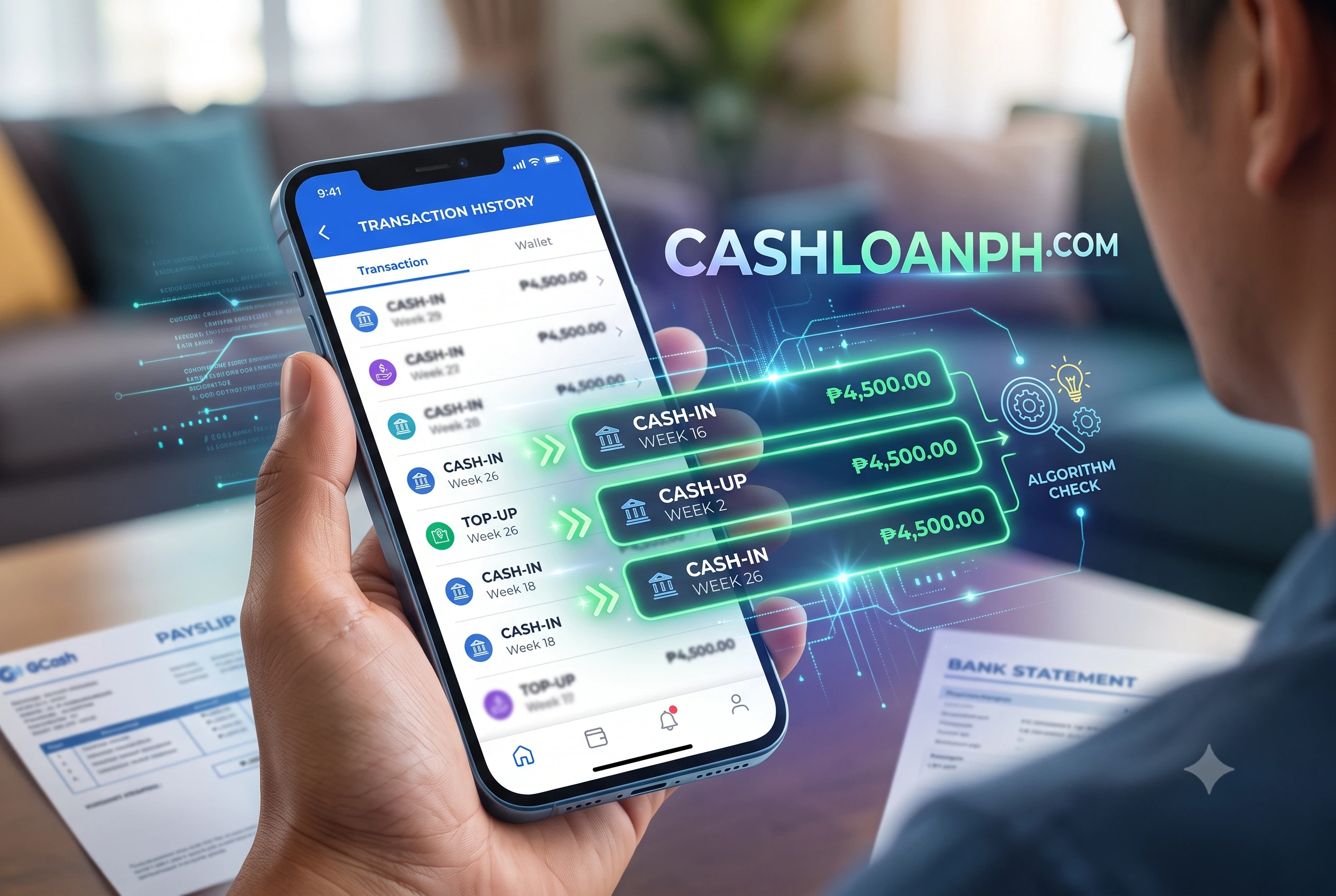
Cash flow underwriting looks at the actual money entering and leaving your bank accounts. Instead of relying on historical debt, lenders focus on your real-time liquidity and consistent income streams.
A traditional FICO or TransUnion score is essentially a history of how you handled past debt. Cash flow underwriting ignores the past and looks at the present. If a platform can see that you receive consistent weekly payouts from a freelance platform or regular remittances from relatives, they treat that reliable cash flow as proof of your ability to repay a micro-loan.
What Is Open Banking Verification and Is It Safe?
Open banking verification allows you to securely share your transaction history with lenders via secure APIs. It is safe when regulated by the BSP, as you grant temporary, read-only access to your bank data without sharing your passwords.
In the Philippines, providers like Brankas or Finverse act as secure bridges between your bank (like BDO or UnionBank) and the lending platform. When you link your bank account, you are not giving the lender your login credentials. Instead, you are authorizing a secure, one-time transfer of your transaction history. This allows the lender to instantly verify your income without requiring you to submit printed payslips or ITRs, significantly speeding up the approval process.
What Are the Real Financial Costs of Borrowing With a Low Credit Score?
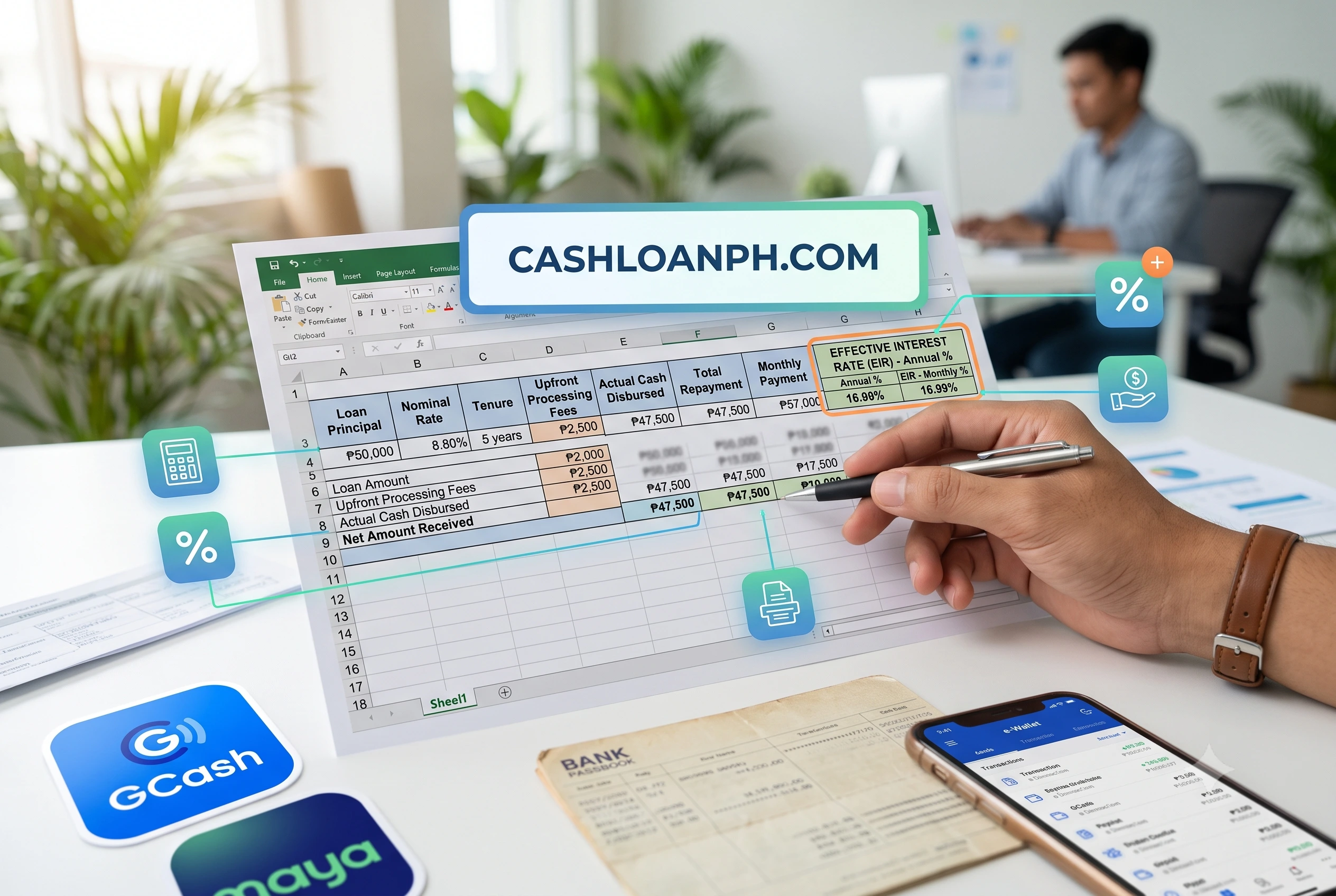
Borrowing with a low credit score significantly increases your total repayment amount. Lenders offset the higher risk of default by charging maximum allowable interest rates and aggressive processing fees.
While alternative lenders provide a lifeline when traditional doors are closed, this access comes at a steep premium. High-risk profiles require lenders to provision more capital for potential defaults, and those costs are directly passed on to you. You must carefully review the disclosure statements to understand exactly how much cash you will receive versus how much you owe.
How Do Lenders Price Subprime Risk and Avoid Predatory Interest Rates?
Lenders price subprime risk by applying risk premiums to base interest rates. To protect yourself, only borrow from SEC-registered apps adhering to the BSP’s strict nominal interest rate cap of 3% per month.
When assessing subprime applicants, algorithms automatically apply the highest pricing tiers. However, there is a legal ceiling. As of recent Bangko Sentral ng Pilipinas (BSP) circulars, legitimate lenders cannot charge more than a 3% nominal interest rate per month on small-value loans. By prioritizing SEC-licensed platforms, you play a massive role in avoiding predatory scams that disguise illegal 20% weekly interest rates under confusing penalty structures.
Do Subprime Digital Loans Actually Help Build Credit History?
Repaying digital loans can build your credit history only if the platform reports to national credit bureaus. Many unregistered micro-lenders do not report positive payments, meaning your on-time behavior won’t improve your official score.
A common misconception is that paying off a fast cash loan will immediately fix your bad credit. In our experience analyzing the Philippine market, only a handful of top-tier digital banks and major fintech lenders actively transmit positive repayment data back to the Credit Information Corporation (CIC). If you are borrowing strictly to rebuild your profile, you must explicitly confirm with the platform’s customer support that they report on-time payments to the bureau.
How Can I Safely Apply for Fast Cash Loan Online Options Without Dropping My Score?
You can safely apply by seeking platforms that offer pre-qualification widgets utilizing soft pulls. Checking your eligibility through these tools gives you rate estimates without triggering a hard inquiry that lowers your score.
When evaluating fast cash loan online options, your primary goal should be protecting your remaining credit health. Many legitimate digital platforms now allow you to download their app, complete a basic profile, and receive a preliminary credit limit offer without a formal hard inquiry.
What Are the Best Practices to Pass Automated eKYC Frictions?
Pass automated eKYC checks by ensuring your ID is fully legible, well-lit, and matches your registered details exactly. Glare on plastic IDs or slight name mismatches are the leading causes of instant AI rejection.
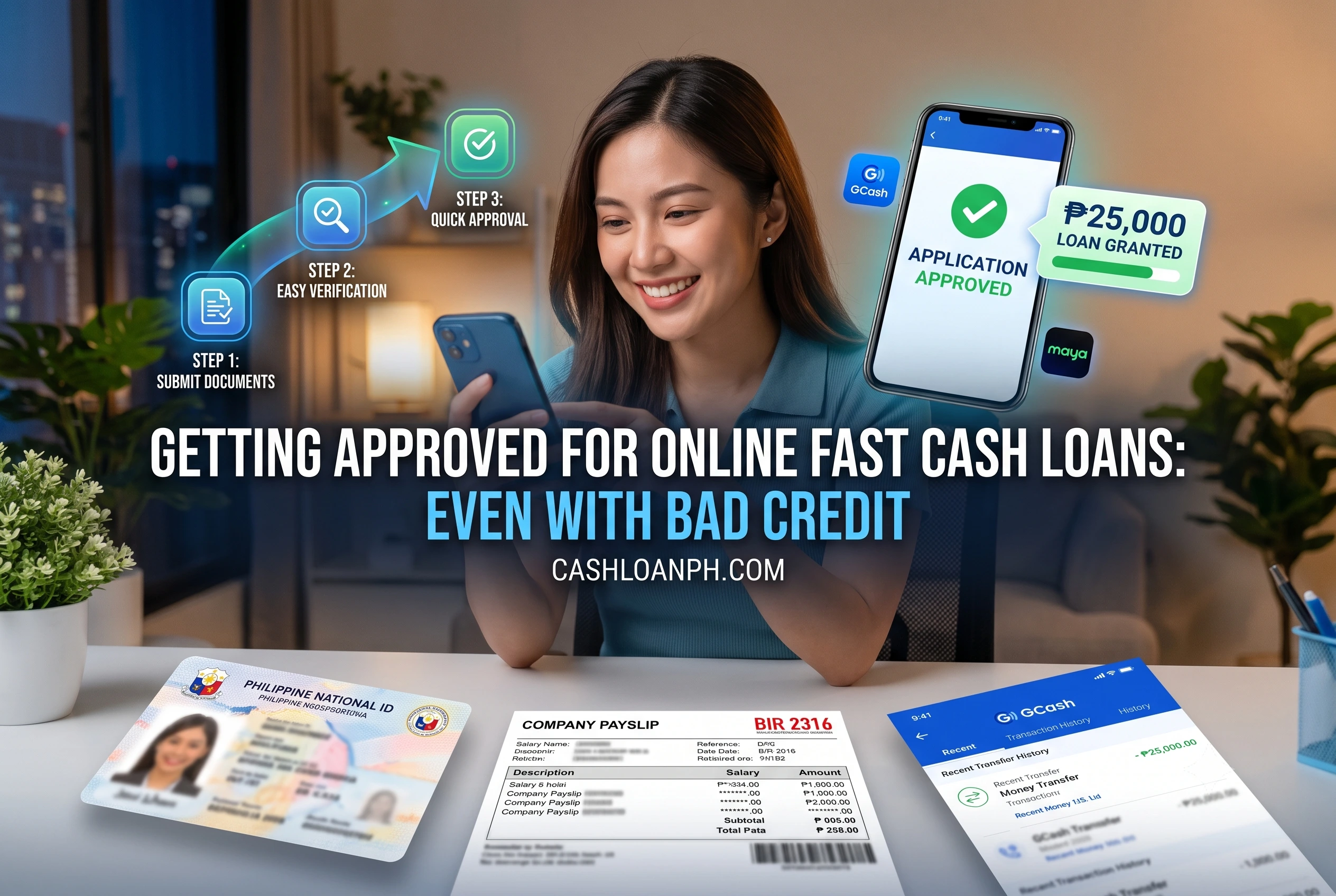
Electronic Know Your Customer (eKYC) algorithms are highly sensitive. During our recent operational testing of several major lending apps, we noticed a recurring friction point: scanning a UMID card with faded edges or minor scratches triggered an automatic failure. This rejection shifted the application to a manual review queue, delaying disbursement by 24 to 48 hours. To ensure fast approval, wipe your phone’s camera lens, place your valid ID on a dark, flat surface to reduce glare, and ensure the spelling of your name matches your ID exactly, including suffixes like “Jr.” or “III.”
How Do I Verify a Lender is Legitimate and BSP-Regulated?
Verify a lender by cross-referencing their exact corporate name with the SEC’s official list of licensed lending companies. Always check for a valid Certificate of Authority (CA) number explicitly displayed within the app.
Do not rely solely on user reviews in the app store, as these can be manipulated. A legitimate lending company will transparently display its corporate name, SEC registration number, and CA number on its website footer and within its mobile application. If you cannot easily locate these three pieces of information, close the app immediately.
Frequently Asked Questions About Subprime Digital Lending
Can I Get Guaranteed Approval for a Digital Cash Loan?
No legitimate financial institution offers truly guaranteed approval. Even bad-credit lenders have baseline algorithmic requirements regarding active cash flow and identity verification.
Any platform promising 100% guaranteed approval without checking your identity or income is likely operating a scam or an unauthorized data-harvesting operation.
Will My Application Drop My Score If I Have a 550 Credit Rating and Need Car Repairs?
Your score will only drop if the lender performs a formal hard credit inquiry. If you use an app that solely relies on alternative data or a soft pull, your 550 score remains unaffected.
Most modern digital micro-lenders in the Philippines rely entirely on alternative data, meaning your application for emergency car repair funds will bypass traditional credit bureaus entirely.
What Happens If I Default on a Loan Based on Alternative Data?
Defaulting on an alternative data loan damages your internal score with that specific lender and their affiliates. While you will not face imprisonment, unpaid debts may eventually be reported to the CIC and assigned to third-party collection agencies.
Ignoring the debt will freeze your access to future digital credit, and the lender may legally attempt to contact the references you provided during the application process.
Making a Realistic Financial Decision
When you are cornered by unexpected expenses and your credit score is far from perfect, digital platforms utilizing alternative data offer a highly practical exit route. By relying on your daily cash flow, e-wallet habits, and open banking data, these lenders look past historical mistakes and focus on your current financial reality.
However, this accessibility requires strict financial discipline on your part. The interest rates will be higher than standard bank loans, and the repayment windows will be tighter. Before accepting any terms, read the disclosure statement thoroughly, ensure the platform is fully registered with the SEC, and only borrow the exact amount you need to survive the immediate emergency. Treat these alternative loans as tools for immediate relief, not as long-term financial crutches.
References
- Securities and Exchange Commission PhilippinesOrganization: SEC PhilippinesResource: List of Registered Lending CompaniesURL: https://www.sec.gov.ph/lending-companies-and-financing-companies-2/list-of-registered-lending-companies/
- Bangko Sentral ng PilipinasOrganization: BSPResource: Ceilings on Interest Rates and Other Fees for Specific Loans (Circular No. 1133)URL: https://www.bsp.gov.ph/Regulations/Issuances/2021/1133.pdf
- Credit Information CorporationOrganization: CIC PhilippinesResource: Understanding Your Credit Report and ScoreURL: https://www.creditinfo.gov.ph/understanding-your-credit-report