Last Updated on 16/06/2026 by Nicole Alba
Many borrowers searching for a Maya Bank personal loan are not simply asking what documents are required. The bigger question is: “What are my actual chances of getting approved?”
That distinction matters.
Modern digital lenders increasingly evaluate more than basic employment and income documents. They analyze borrower behavior, identity verification consistency, account activity, repayment capacity, fraud indicators, and risk signals that help determine creditworthiness. Maya Bank operates within the Philippine digital banking ecosystem, where mobile-first verification, automated risk profiling, and data-driven lending decisions have become standard industry practices.
For applicants, knowing the factors that influence approval can significantly improve preparation before applying. Whether you are a salaried employee, freelancer, self-employed professional, or gig worker, understanding how lenders evaluate borrower quality can help you avoid common mistakes and strengthen your application.
Quick Eligibility Assessment Table
| Factor | Why It Matters | Approval Impact |
|---|---|---|
| Verified identity | Confirms borrower authenticity | High |
| Stable income source | Indicates repayment capacity | High |
| Consistent mobile activity | Supports behavioral assessment | Medium to High |
| Good repayment history | Demonstrates reliability | High |
| Clean application information | Reduces fraud concerns | High |
| Active Maya account usage | May contribute to behavioral evaluation | Medium |
| Existing debt obligations | Affects affordability assessment | High |
| Accurate contact details | Improves verification success | Medium |
| Device consistency | Supports fraud prevention systems | Medium |
| Positive credit bureau data | May strengthen risk assessment | High |
Summary
Maya Bank personal loan eligibility is influenced by several factors beyond income alone. Borrowers with verified identities, stable earnings, consistent account activity, reliable repayment behavior, and accurate application information generally present stronger approval profiles. Modern digital lending systems often combine traditional creditworthiness checks with behavioral scoring, mobile activity indicators, fraud-prevention analysis, and risk profiling models. Salaried employees, freelancers, self-employed professionals, and gig workers can all potentially qualify if they demonstrate sufficient repayment capacity and pass verification requirements. Improving data accuracy, maintaining healthy financial behavior, and preparing supporting documents can significantly strengthen approval chances.
What Does Maya Bank Personal Loan Eligibility Really Mean?
Eligibility is often misunderstood.
Many applicants assume eligibility simply means meeting minimum age or income requirements. In reality, lenders evaluate whether a borrower presents an acceptable level of lending risk.
Approval decisions typically involve three major questions:
- Can the borrower be accurately identified?
- Does the borrower have the capacity to repay?
- Does the borrower present acceptable risk?
This broader assessment is commonly known as creditworthiness evaluation.
A borrower may technically qualify based on age and income but still fail automated risk checks if other indicators raise concerns.
The Shift Toward Digital Risk Assessment
Traditional banks often rely heavily on employment certificates and extensive documentation.
Digital lenders increasingly combine:
- Identity verification
- Alternative data analysis
- Behavioral scoring
- Credit bureau data
- Device verification
- Mobile activity indicators
- Fraud detection systems
This allows faster decisions while still maintaining responsible lending standards.
The Core Factors That Influence Approval Chances
Income Stability Matters More Than Income Size
One of the biggest misconceptions among borrowers is that higher income automatically guarantees approval.
Lenders are generally more interested in consistency than occasional earnings spikes.
Examples of positive signals include:
- Regular salary deposits
- Predictable freelance payments
- Stable business income
- Long-term client relationships
- Consistent cash flow patterns
Someone earning PHP 25,000 monthly on a predictable basis may present lower risk than a borrower earning PHP 60,000 irregularly.
Identity Verification Quality
Digital lending begins with trust.
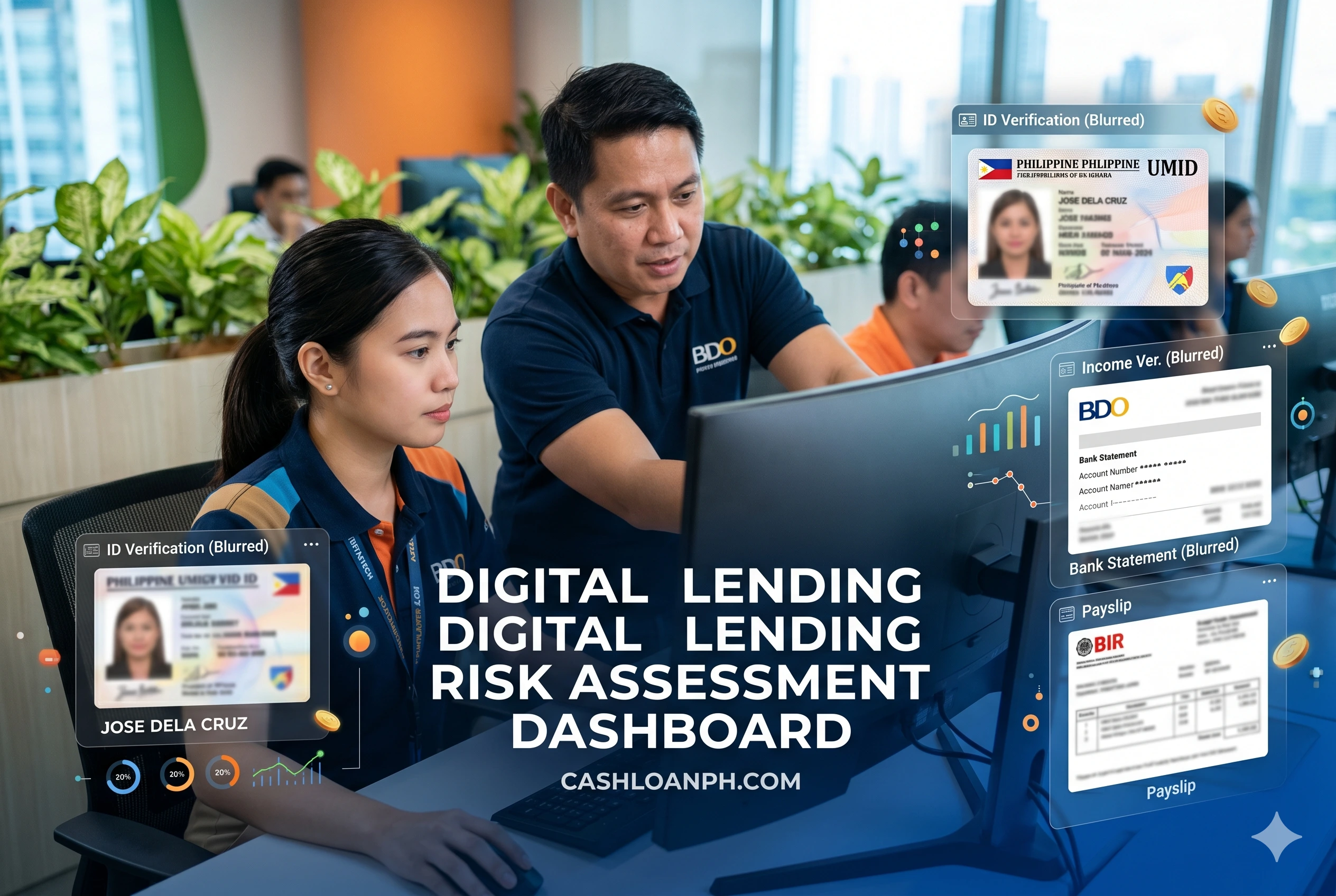
Applications often undergo multiple verification layers including:
- Government-issued identification validation
- Selfie verification
- Facial matching technology
- Mobile number verification
- OTP authentication
- Device integrity checks
Minor inconsistencies can sometimes trigger manual reviews.
Common issues include:
- Blurry ID photos
- Name mismatches
- Incorrect birthdates
- Outdated contact information
- Poor selfie verification quality
These issues may delay or weaken an application even before financial assessment begins.
How Risk Profiling Works Behind the Scenes
Most borrowers never see the systems evaluating them.
However, modern lenders commonly use risk profiling models that combine numerous signals into a broader borrower assessment.
Traditional Financial Signals
Traditional indicators may include:
- Income level
- Existing debts
- Previous loan performance
- Banking history
- Credit bureau records
These remain important components of lending decisions.
Alternative Behavioral Signals
Digital lenders increasingly analyze behavioral indicators such as:
- Account activity consistency
- Verification completion rates
- Device usage patterns
- Application accuracy
- Login behavior
- Contact stability
The purpose is not surveillance but risk reduction.
Fraudsters often behave differently from legitimate borrowers, allowing automated systems to identify unusual patterns.
Does Maya Use Credit Scores or Credit Bureau Data?
The Short Answer
Credit information may play a role in lending decisions, but approval is rarely based on a single score alone.
In the Philippines, lenders may evaluate information from recognized credit reporting sources and other legally permissible data points as part of overall risk assessment.
Why Credit Bureau Data Matters
Credit bureau data can help lenders evaluate:
- Previous loan performance
- Delinquency history
- Outstanding obligations
- Borrowing frequency
- Overall repayment behavior
Positive records can strengthen an application.
Negative records may increase perceived risk.
However, many digital lenders also recognize that some borrowers have limited formal credit histories.
This is where alternative risk assessment methods become important.
No Credit History Does Not Always Mean Rejection
Young professionals, freelancers, and first-time borrowers often have little or no traditional credit history.
Instead of immediately rejecting such applicants, digital lenders may place greater emphasis on:
- Income evidence
- Verification success
- Account behavior
- Repayment capacity
- Fraud-risk assessment
This creates opportunities for financially responsible borrowers who are new to credit.
Maya Behavioral Scoring: What Borrowers Should Know
Behavioral scoring has become increasingly important across digital lending.
While lenders do not publicly disclose detailed proprietary scoring formulas, industry-wide behavioral scoring models often evaluate patterns that suggest reliability and consistency.
Positive Behavioral Signals
Examples may include:
- Complete profile information
- Consistent account usage
- Successful identity verification
- Stable contact details
- Regular financial activity
- Responsible financial behavior
Negative Behavioral Signals
Potential concerns may include:
- Frequent data changes
- Multiple failed verification attempts
- Inconsistent application information
- Suspicious device activity
- Unverifiable income claims
Behavioral scoring is designed to supplement—not necessarily replace—traditional credit evaluation.
Mobile Activity Indicators and Their Role in Lending Decisions
One area many borrowers overlook is mobile activity consistency.
Mobile-first lenders often operate entirely through smartphone applications.
As a result, certain mobile activity indicators can contribute to risk analysis.
Examples may include:
- Device consistency
- Phone number stability
- Successful OTP verification
- Account security behavior
- Application completion patterns
This does not mean lenders read private messages or personal content.
Instead, they focus on risk-relevant verification signals that help confirm borrower authenticity.
Why Device Consistency Matters
Fraud prevention systems often monitor for:
- Multiple account attempts
- Device switching patterns
- Unusual login locations
- Identity mismatches
Legitimate borrowers generally exhibit more consistent behavior than fraudulent applicants.
How Different Types of Borrowers Can Strengthen Eligibility
Salaried Employees
Salaried applicants usually have the advantage of predictable income.
Strong approval signals often include:
- Regular payroll deposits
- Long employment duration
- Stable employer history
- Updated employment information
Frequent job changes can sometimes increase risk perception, especially when combined with inconsistent income documentation.
Freelancers
Freelancers often worry that non-traditional income automatically reduces approval chances.
In reality, many digital lenders increasingly recognize freelance work.
Helpful indicators include:
- Long-term client contracts
- Recurring project income
- Bank transaction history
- Invoices and payment records
- Tax documentation when available
Self-Employed Professionals
Business owners can strengthen applications through:
- Consistent revenue patterns
- Business registration documents
- Financial records
- Stable operational history
Volatile cash flow is typically a greater concern than self-employment itself.
Gig Workers
Ride-hailing drivers, delivery partners, online sellers, and other gig workers represent a growing segment of Philippine borrowers.
Positive indicators may include:
- Consistent platform earnings
- Stable activity history
- Reliable payout records
- Verified income sources
Modern lending systems increasingly accommodate alternative work arrangements.
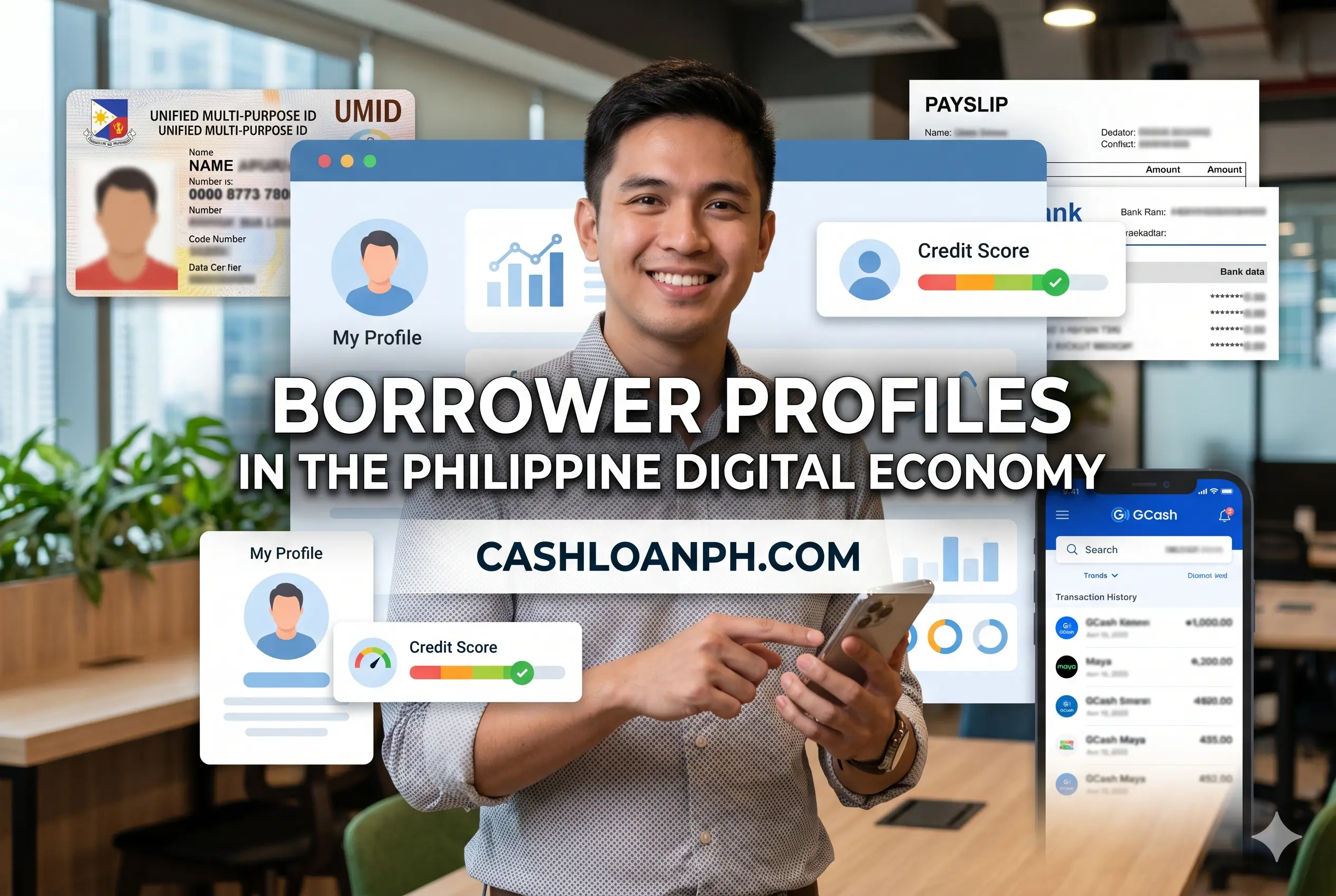
The Most Common Reasons Applications Fail
Borrowers often focus on income and overlook preventable issues.
Verification Problems
Frequent causes include:
- Invalid IDs
- Expired documents
- Poor image quality
- Facial verification mismatches
- Incorrect personal information
Risk Assessment Concerns
Applications may also struggle due to:
- Excessive debt burden
- Negative repayment history
- Unstable income patterns
- Suspicious activity indicators
Data Inconsistencies
A surprisingly common issue involves conflicting information.
Examples include:
- Different addresses across documents
- Employment details that cannot be verified
- Incorrect contact numbers
- Inconsistent income declarations
Borrowers seeking more details about common rejection causes should review related content discussing reasons applications fail and how those issues can be corrected before reapplying.
Practical Steps to Improve Approval Chances 📈
Prepare Before You Apply
Strong applications are usually built before submission.
Consider:
- Updating account information
- Verifying contact details
- Ensuring ID validity
- Reviewing income documentation
- Checking application accuracy
Reduce Preventable Risk Signals
Before applying:
- Avoid rushing through forms
- Double-check every field
- Use accurate employment information
- Upload clear document images
- Complete all requested verification steps
Demonstrate Financial Stability
Borrowers can often strengthen their profiles by:
- Maintaining consistent income patterns
- Managing existing obligations responsibly
- Avoiding missed payments
- Keeping financial records organized
These actions support stronger creditworthiness assessments over time.
How Long Does Qualification Review Usually Take?
Many applicants confuse qualification review with final approval.
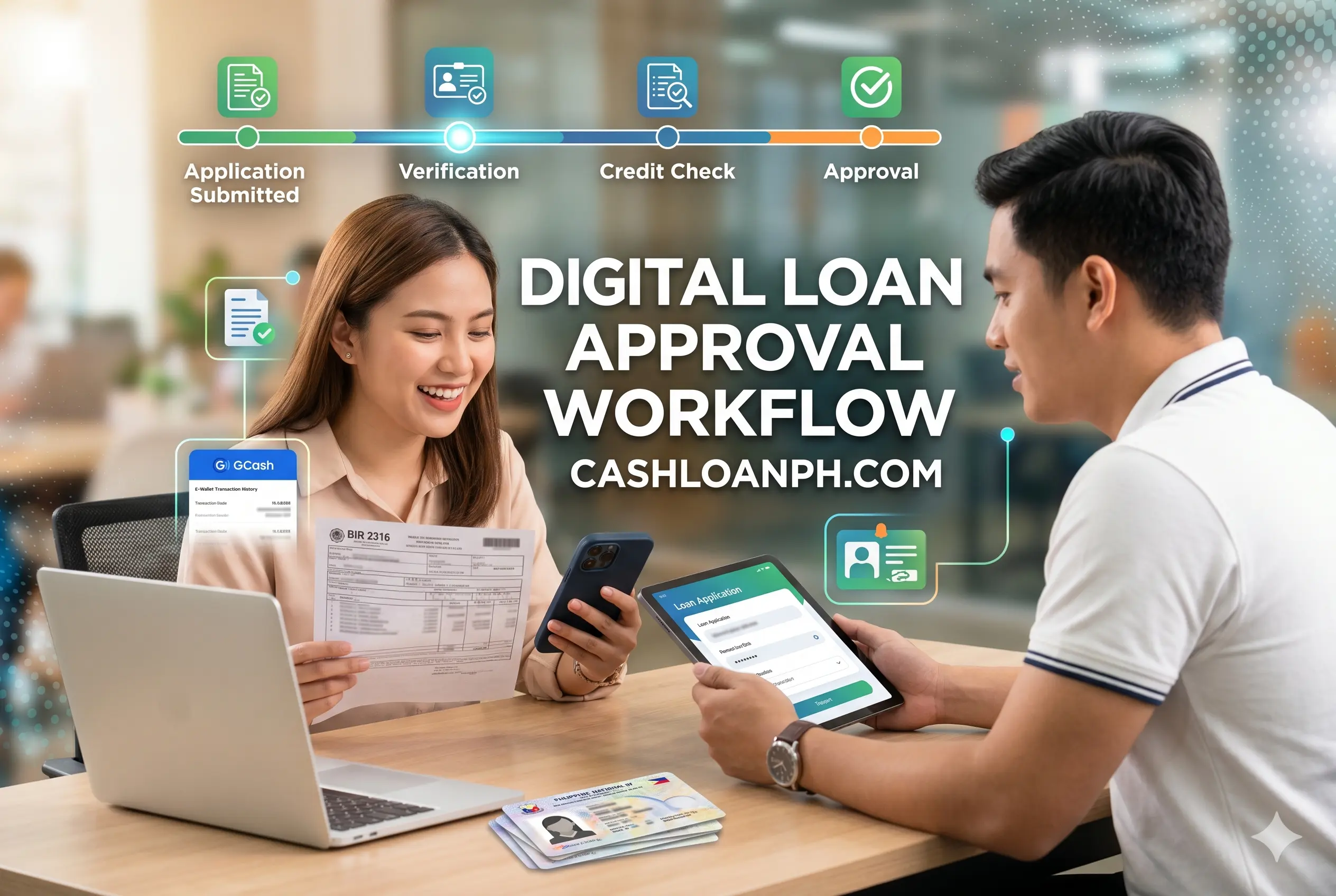
The evaluation process typically involves:
- Application submission
- Identity verification
- Risk assessment
- Eligibility review
- Approval decision
- Loan disbursement (if approved)
Processing speed can vary depending on:
- Verification success
- Document quality
- System workload
- Additional review requirements
Borrowers interested in processing expectations can explore information about the approval timeline after applying to better understand what happens after submission.
Quick Self-Assessment Checklist
Before applying, ask yourself:
Identity Verification
- Is my government ID valid?
- Are my account details accurate?
- Can I complete selfie verification successfully?
Income Capacity
- Can I clearly demonstrate income?
- Is my cash flow reasonably stable?
- Can I afford monthly repayments?
Credit and Repayment Behavior
- Have I managed previous loans responsibly?
- Do I have excessive existing debt?
- Are my financial obligations under control?
Application Quality
- Is every detail accurate?
- Are my uploaded documents clear?
- Can verification information be confirmed?
The more “yes” answers you have, the stronger your eligibility profile is likely to be.
Frequently Asked Questions
Does income affect approval?
Yes. Income helps lenders evaluate repayment capacity. However, consistency and reliability often matter as much as income size. Stable earnings generally create stronger approval signals than irregular high-income periods.
Does Maya use credit scores?
Lending decisions may incorporate credit-related information, but approval typically involves broader risk assessment that can include verification results, behavioral indicators, repayment history, and other lending criteria.
Can freelancers qualify for a Maya Bank personal loan?
Potentially yes. Freelancers may strengthen eligibility through consistent payment records, recurring clients, bank transaction history, and verifiable income sources.
Will using Maya more often improve approval chances?
Regular and legitimate account usage may contribute to behavioral assessment patterns. However, approval decisions involve multiple factors and not simply account activity alone.
Can a rejected applicant apply again later?
Many borrowers improve future eligibility by correcting verification issues, stabilizing income sources, reducing debt burdens, and strengthening overall financial profiles before reapplying.
Where can borrowers verify their rights and data privacy protections?
Borrowers can review borrower protection, digital banking, and privacy information through official institutions such as the Bangko Sentral ng Pilipinas (BSP) and the National Privacy Commission (NPC).
Conclusion
Maya Bank personal loan eligibility extends far beyond basic requirements. Modern lending systems increasingly combine creditworthiness analysis, risk profiling, behavioral assessment, mobile verification signals, fraud prevention checks, and repayment capacity evaluation to determine whether an applicant presents acceptable lending risk.
The strongest applicants typically demonstrate stable income, accurate information, successful identity verification, responsible financial behavior, and consistent account activity. Whether you are a salaried employee, freelancer, self-employed professional, or gig worker, preparation matters.
Before applying, review your financial situation honestly, verify that all information is accurate, satisfy applicable maya requirements, and address any issues that could trigger risk concerns. Responsible borrowing begins with realistic self-assessment, strong documentation, and a clear understanding of how digital lenders evaluate approval potential.