Last Updated on 27/03/2026 by Nicole Alba
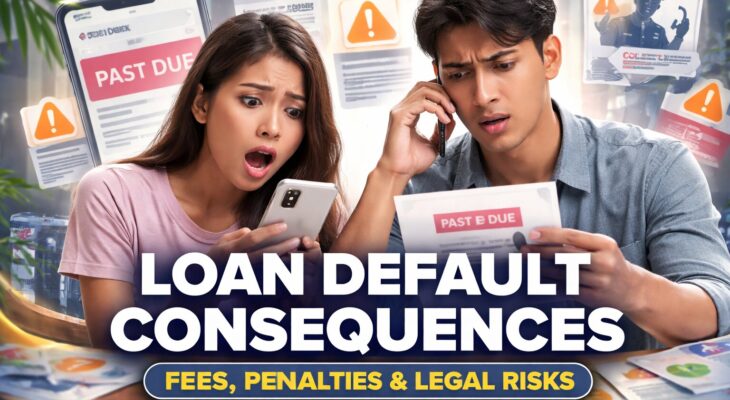
Missing a loan payment might feel like a small delay-but once you default on online loan, the consequences can escalate quickly. In the Philippines’ fast-growing digital lending space, borrowers often underestimate how aggressive penalties, collection tactics, and credit damage can become.
This deep-dive breaks down exactly what happens after default-from hidden fees to legal exposure-so you can make smarter financial decisions and avoid long-term setbacks.
🔎 Quick Snapshot: What Happens When You Default?
| Stage | What Happens | Impact Level |
|---|---|---|
| 1-7 days late | Late fees, reminders | Low |
| 7-30 days | Daily penalties, repeated calls | Medium |
| 30-90 days | Collection agencies, harassment risk | High |
| 90+ days | Legal escalation, credit damage | Severe |
💡 Why Defaults Are Rising in the Philippines
Online lending apps have made borrowing easier than ever-but also riskier.
Key reasons many borrowers fall into default:
- Instant approvals with minimal checks
- High interest rates (sometimes hidden)
- Short repayment terms (7-30 days)
- Multiple loan stacking across apps
Many users don’t realize the full impact until lender actions after missed payments begin.
💸 Fees & Penalties: The Silent Debt Multiplier
Default doesn’t just mean paying late-it means paying significantly more.
Common Charges You’ll Face
1. Late Payment Fees
- Fixed or percentage-based
- Charged immediately after due date
2. Daily Penalty Interest
- Can range from 1% to 3% per day
- Compounds quickly
3. Service & Processing Fees
- Still applied even if unpaid
4. Collection Fees
- Added when your account is passed to collectors
👉 Example:
A ₱5,000 loan can balloon to ₱8,000-₱12,000 within weeks if left unpaid.
📉 Credit Damage from Default: Long-Term Consequences
One of the most overlooked risks is credit damage from default.
Even if you’re not using traditional banks, your behavior may still be tracked through:
- Credit bureaus
- Digital lending networks
- Shared databases among fintech platforms
What This Means for You:
- ❌ Loan rejections in the future
- ❌ Lower approved loan amounts
- ❌ Higher interest rates
- ❌ Difficulty applying for credit cards
In some cases, even employers and landlords may assess your financial reliability.
📞 Lender Actions After Missed Payments
Once you miss payments, lenders don’t wait long to act. Understanding lender actions after missed payments helps you prepare.
Stage-by-Stage Breakdown
📱 Early Stage (1-7 Days)
- SMS reminders
- App notifications
- Friendly calls
📲 Mid Stage (7-30 Days)
- Frequent calls (multiple per day)
- Emails and payment demands
- Contacting references you listed
🚨 Late Stage (30+ Days)
- Third-party collection agencies
- Aggressive communication tactics
- Social pressure (in some cases)
⚠️ Some unethical lenders may:
- Send threatening messages
- Contact your contacts without consent
- Use intimidation tactics
⚖️ Legal Risks: Can You Go to Jail?
This is one of the most searched questions-and the answer is nuanced.
✅ The Truth:
- You cannot be jailed for unpaid debt alone in the Philippines
- However, legal risks still exist
⚠️ Possible Legal Issues:
- Civil cases (collection lawsuits)
- Small claims court filings
- Allegations of fraud (if deception is proven)
While jail is unlikely, court cases can:
- Increase financial burden
- Damage reputation
- Cause long-term stress
😰 Handling Debt Collection Pressure
If you’re already struggling, handling debt collection pressure becomes critical.
What You Should Do
✔️ Stay calm and don’t panic
✔️ Verify if the lender is legitimate
✔️ Request a breakdown of charges
✔️ Negotiate a repayment plan
What You Should NOT Do
❌ Ignore calls completely
❌ Take new loans to repay old ones
❌ Share sensitive personal data
🧠 Smart Strategies to Avoid Default
Prevention is always better than recovery.
Before Taking a Loan:
- Borrow only what you can repay within your salary cycle
- Read terms carefully (especially penalties)
- Avoid multiple simultaneous loans
If You’re Already Struggling:
- Communicate early with the lender
- Ask for restructuring or extensions
- Prioritize high-interest loans first
📊 Comparing Loan Types & Default Risks
| Loan Type | Risk Level | Reason |
|---|---|---|
| Bank loans | Low | Structured terms, lower interest |
| Licensed online lenders | Medium | Higher rates, but regulated |
| Unregistered apps | Very High | Aggressive tactics, hidden fees |
🔐 Choosing Safer Lending Options in PH
To reduce risk:
- Use SEC-registered lenders
- Check app reviews and complaints
- Avoid apps requesting excessive permissions
Responsible borrowing starts with choosing the right lender.
❓ Frequently Asked Questions
What is considered a loan default?
Failure to repay your loan based on agreed terms, usually after a grace period.
How fast do penalties grow?
In online lending, penalties can grow daily-sometimes doubling your debt within weeks.
Can collectors contact my family?
Only under limited circumstances. Harassment or public shaming may violate privacy laws.
Is ignoring collectors a good strategy?
No. It often worsens the situation and escalates actions.
🧭 Final Thoughts: Borrow Smart, Stay in Control
Loan defaults aren’t just about missed payments-they can spiral into financial, emotional, and legal stress. The key is awareness and early action.
If you ever feel overwhelmed:
- Face the situation early
- Communicate clearly
- Avoid making it worse with new debt
💡 Smart borrowing isn’t about avoiding loans-it’s about using them responsibly and staying in control of your financial future.