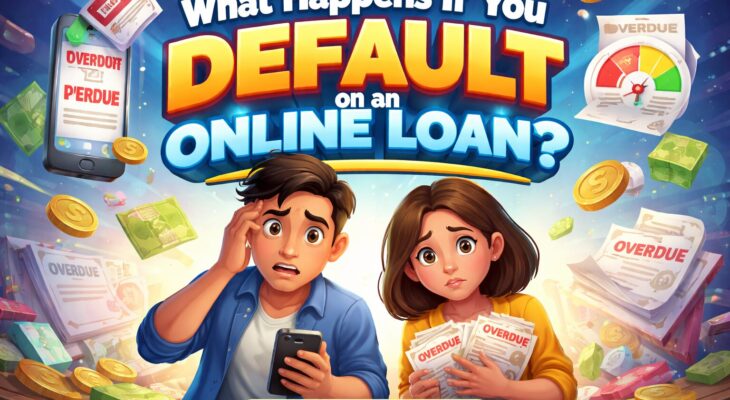
Missing a loan payment once might feel manageable-but ignoring an online loan can spiral into serious financial and legal trouble. In the Philippines, where digital lending apps are widely accessible, defaulting on a loan has real consequences that go far beyond penalties.
This content breaks down everything you need to know-from immediate effects to long-term damage-and most importantly, how to recover and regain financial control.
📌 Quick Answer: What Really Happens When You Default?
If you default on an online loan, here’s what typically happens:
- Late fees and penalty interest pile up quickly
- Lenders begin aggressive collection efforts
- Your creditworthiness is severely damaged
- You may face legal action depending on the case
- Your personal contacts might be reached (in abusive cases)
- Future loan approvals become extremely difficult
🔍 Understanding Loan Default in the Philippines
A loan default happens when you fail to repay your loan according to the agreed schedule-usually after multiple missed payments.
In the Philippine digital lending ecosystem:
- Most apps classify default after 30-90 days of non-payment
- Interest and penalties may continue accumulating daily
- Some lenders escalate cases to third-party collection agencies
Defaulting isn’t just “missing a payment”-it’s a financial status that signals high risk to lenders.
💥 Immediate Loan Default Consequences You Should Expect
The moment you miss your due date, the clock starts ticking. Here are the most common loan default consequences:
1. 📈 Rapid Growth of Debt
- Late payment fees (often 1-3% per day)
- Compounded interest
- Additional administrative charges
👉 A ₱10,000 loan can easily double within months if ignored.
2. 📞 Persistent Collection Calls & Messages
Expect:
- Daily calls, SMS, emails
- Reminders escalating to threats (in some cases)
- Contact attempts during working hours-even weekends
3. 😟 Psychological Stress
Many borrowers report:
- Anxiety from constant calls
- Fear of public exposure
- Mental pressure affecting daily life
🧠 What Lenders Do After Default (Step-by-Step Timeline)
Understanding what lenders do after default helps you prepare and respond wisely:
⏱️ Days 1-7 (Grace Period)
- Friendly reminders
- Minimal penalties
⏱️ Days 7-30 (Early Delinquency)
- Frequent calls and messages
- Late fees increase
- Possible warnings of escalation
⏱️ 30-90 Days (Serious Default)
- Account flagged as high-risk
- Transferred to collections
- Possible reporting to credit bureaus
⏱️ 90+ Days (Escalation Stage)
- Legal demand letters (in some cases)
- Third-party debt collectors involved
- Aggressive recovery tactics
📉 Impact on Credit Score After Default
The impact on credit score after default is one of the most damaging long-term effects.
📊 What Actually Happens?
- Your record may be submitted to the Credit Information Corporation (CIC)
- Partner banks and lenders can access your history
- You become a “high-risk borrower”
🚫 Real Consequences:
- Loan rejections (banks, apps, credit cards)
- Lower approved loan amounts
- Higher interest rates if approved
💡 Even after repayment, your negative record may stay for years.
⚖️ Can You Go to Jail for Loan Default?
Here’s the truth:
👉 No, you cannot be imprisoned for unpaid debt in the Philippines.
However:
- You can face civil cases
- Courts may order repayment
- Legal fees may be added
⚠️ Be cautious: some collectors use threats to scare borrowers-know your rights.
🚨 Harassment & Debt Collection: Know Your Rights
Some digital lenders or agents cross ethical boundaries.
❌ Illegal or Abusive Practices:
- Contacting your phone contacts without consent
- Public shaming on social media
- Threats or intimidation
✅ Your Rights:
- Protection under data privacy laws
- Right to file complaints against abusive lenders
- Right to respectful communication
🛑 How to Deal With Debt Collectors (Without Panic)
Handling collectors properly can reduce stress and protect your rights. Here’s how to deal with debt collectors effectively:
✔️ Stay Calm & Professional
Avoid emotional reactions. Keep communication clear and documented.
✔️ Ask for Verification
Request:
- Loan details
- Breakdown of charges
- Proof of authority (if third-party collector)
✔️ Set Boundaries
- Limit communication to reasonable hours
- Request written communication when possible
✔️ Negotiate Smartly
Many lenders are open to:
- Payment extensions
- Partial settlements
- Restructured plans
💡 Ignoring them worsens the situation-engaging strategically helps.
🔄 How to Recover From Loan Default (Step-by-Step Plan)
Recovery is possible. Here’s a practical roadmap on how to recover from loan default:
1. 🧾 Assess Your Full Debt Situation
List:
- Total balance (including penalties)
- Due dates
- Lender details
2. 💬 Communicate With Lenders Early
Even after default:
- Ask for restructuring
- Request penalty reduction
- Propose realistic payment plans
3. 💸 Prioritize High-Interest Loans
Focus on:
- Loans with highest penalties
- Accounts nearing legal escalation
4. 📉 Avoid Taking New Loans to Pay Old Ones
This leads to a debt trap cycle-a common issue in online lending.
5. 📊 Build a Basic Repayment Plan
Example:
| Income | Expenses | Available for Debt |
|---|---|---|
| ₱20,000 | ₱15,000 | ₱5,000 |
Allocate consistently-even small payments help rebuild trust.
6. 🧠 Rebuild Your Financial Reputation
- Pay debts consistently
- Avoid late payments moving forward
- Start small (e.g., prepaid utilities, savings discipline)
📱 Online Lending in the Philippines: Risks & Realities
Digital lending apps offer:
- Fast approval (minutes)
- Minimal requirements
- Easy access
But also carry risks:
- High interest rates
- Short repayment terms
- Aggressive collection tactics
👉 Many borrowers underestimate these factors-leading to default.
💡 Smart Tips to Avoid Default in the Future
Stay ahead with these practical habits:
✔️ Borrow Only What You Can Repay
Simple rule:
👉 If you can’t repay within your next income cycle, reconsider.
✔️ Read Terms Carefully
Focus on:
- Interest rates
- Penalty structures
- Due dates
✔️ Set Payment Reminders
Use:
- Calendar alerts
- Mobile apps
- Automatic deductions
✔️ Build an Emergency Fund
Even ₱500-₱1,000 monthly can prevent future defaults.
❓ Frequently Asked Questions
❓ What happens if I ignore online loan payments completely?
Your debt will grow, collectors will intensify efforts, and your credit standing will be severely damaged.
❓ Can online lenders contact my family or friends?
They should not without consent. If they do, it may violate privacy laws.
❓ Will I ever recover from default?
Yes. With consistent repayment and discipline, you can rebuild your financial standing over time.
❓ Is settling for less than full payment possible?
Yes, some lenders offer settlement options-but it may still impact your credit profile.
🧭 Final Thoughts: Take Control Before It Escalates
Defaulting on an online loan isn’t the end-but ignoring it can make things much worse.
The key is early action, clear communication, and disciplined recovery.
If you’re already struggling:
- Don’t panic
- Don’t hide
- Don’t borrow more to fix it
Instead, focus on rebuilding step by step. Financial recovery is not instant-but it’s absolutely achievable.