Last Updated on 13/03/2026 by Nicole Alba
Freelancing has grown dramatically in the Philippines over the past decade. Thousands of Filipinos now work remotely as writers, graphic designers, programmers, video editors, social media managers, and virtual assistants for clients around the world. This shift toward remote and independent work has opened many opportunities for financial growth and career flexibility.
However, freelancers and virtual assistants often face a unique financial challenge: access to traditional financing. Many banks still rely on conventional employment requirements such as company payslips, employer certificates, and long-term job contracts. Since freelancers are technically self-employed, meeting these requirements can sometimes be difficult.
Fortunately, the financial ecosystem in the Philippines has evolved. Digital lenders, fintech platforms, and modern banking systems now recognize freelance income as legitimate and stable when properly documented. Because of this shift, personal loans for freelancers and virtual assistants are more accessible than ever.
This article explores how freelancers can qualify for loans, the types of financing available, common requirements, smart borrowing strategies, and practical tips to increase approval chances. 🌟
The Growing Freelance Economy in the Philippines
The Philippines has become one of the world’s leading outsourcing hubs. International companies frequently hire Filipino professionals due to their strong English skills, work ethic, and competitive rates.
Remote professionals commonly find work through global freelance marketplaces such as:
- Upwork
- Fiverr
- OnlineJobs.ph
These platforms connect freelancers with businesses from the United States, Australia, Canada, Europe, and many other countries.
As freelance work continues to expand, financial institutions have begun adapting their services to support independent professionals. Today, freelancers are increasingly viewed as entrepreneurs and self-employed professionals, rather than informal workers.
Why Freelancers and Virtual Assistants Apply for Personal Loans
Freelancers often manage both personal and business finances independently. While freelancing can be lucrative, income may fluctuate depending on projects, client payments, or seasonal demand.
Because of this, many freelancers consider personal loans for various reasons.
Handling Emergency Situations 🚑
Unexpected expenses can arise at any time. Medical bills, urgent home repairs, or family emergencies may require immediate funding. A personal loan can provide quick financial support during these situations.
Purchasing Work Equipment 💻
Freelancers depend heavily on technology to perform their jobs. Essential tools may include:
- High-performance laptops
- Graphic tablets
- Video editing equipment
- High-speed internet upgrades
- Professional software subscriptions
A personal loan allows freelancers to invest in better equipment that can increase productivity and income potential.
Expanding Freelance Operations 📈
Some freelancers eventually grow into small business owners. They may hire assistants, launch marketing campaigns, or build their own agencies.
Additional funding can help support these expansions and create new income streams.
Managing Cash Flow Between Client Payments
Payment delays are common in freelance work. Some international clients pay weekly, biweekly, or even monthly. A personal loan can help maintain financial stability while waiting for payments to arrive.
Are Freelancers Eligible for Personal Loans?
Yes, freelancers and virtual assistants are eligible for many types of personal loans in the Philippines. However, lenders typically use different evaluation methods compared to traditional employment-based applications.
Instead of relying solely on employer documents, lenders analyze income patterns and financial behavior.
Important factors lenders consider include:
- Consistency of freelance income
- Bank account activity
- Digital payment history
- Credit record
- Ability to repay the loan
Freelancers who maintain organized financial records usually have a much higher chance of approval.
Alternative Income Proof Accepted by Lenders
Because freelancers do not have traditional payslips, lenders accept several alternative documents to verify income.
Bank Statements
Bank transaction history is one of the most important pieces of evidence for freelance income. Lenders review deposits to confirm that clients are regularly sending payments.
Payment Platform Records
Many freelancers receive payments through international digital platforms such as:
- PayPal
- Payoneer
Transaction histories from these platforms help demonstrate stable income streams.
Client Contracts or Agreements
Contracts with clients can also strengthen a loan application. Long-term agreements show lenders that income is likely to continue.
Freelance Platform Earnings Reports
Some platforms provide downloadable reports showing earnings history. These reports can serve as proof of professional income.
Common Types of Personal Loans Available
Freelancers can choose from several financing options depending on their needs, financial history, and repayment capacity.
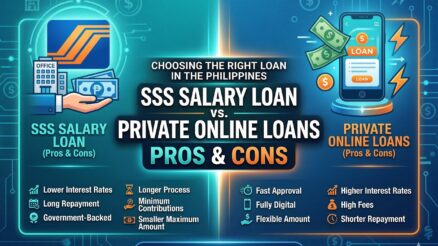
Online Lending Platforms 📱
Digital loan apps have become extremely popular because they offer convenience and fast approval processes.
Advantages often include:
- Quick application through a mobile app
- Minimal paperwork
- Fast approval decisions
- Same-day or next-day fund transfers
Many digital lenders use advanced algorithms to analyze financial data rather than relying solely on employment verification.
Bank Personal Loans 🏦
Traditional banks also provide personal loans for self-employed individuals, including freelancers.
These loans usually offer:
- Larger loan amounts
- Lower interest rates compared to some digital lenders
- Longer repayment terms
However, bank loans may require stronger documentation and longer approval times.
Credit Lines for Self-Employed Workers
Another option available to freelancers is a revolving credit line. This type of financing allows borrowers to withdraw funds when needed and repay them gradually.
Credit lines can be helpful for freelancers who experience irregular income patterns or seasonal fluctuations.
Steps Freelancers Can Take to Increase Loan Approval Chances
Even though freelancers do not have traditional employment documents, there are several ways to strengthen a loan application.
Maintain Organized Financial Records
Keeping organized records of client payments, invoices, and bank deposits demonstrates professionalism and financial stability.
Consistent records make it easier for lenders to verify income.
Use One Primary Bank Account
Freelancers should ideally receive most payments through a single bank account. This helps lenders clearly see income patterns without needing to review multiple accounts.
Build a Strong Credit History
Credit history plays a major role in loan approval. Freelancers can build positive credit records by:
- Paying credit card balances on time
- Avoiding overdue payments
- Maintaining low credit utilization
Over time, good credit behavior significantly improves borrowing opportunities.
Demonstrate Long-Term Client Relationships
Freelancers with long-term clients often appear more financially stable to lenders. Recurring monthly payments from the same client show consistent income flow.
Avoid Applying to Too Many Lenders at Once
Submitting multiple loan applications simultaneously can sometimes reduce approval chances. Lenders may interpret multiple applications as financial distress.
Instead, carefully research lenders and choose the most suitable option.
Advantages of Personal Loans for Freelancers
Personal loans offer several benefits for independent professionals.
Fast Access to Funds
Many digital lenders process applications quickly, allowing borrowers to receive funds within hours or days.
No Collateral Required
Most personal loans are unsecured, meaning borrowers do not need to pledge property or assets as collateral.
Flexible Usage
Borrowers can use funds for personal expenses, business investments, or emergency needs.
Opportunity to Grow Income
When used wisely, loans can help freelancers invest in tools or skills that increase earning potential.
Possible Risks Freelancers Should Consider ⚠️
Although personal loans can be helpful, they also come with responsibilities and potential risks.
Interest Costs
Some online lenders charge higher interest rates compared to banks. Borrowers should review loan terms carefully before committing.
Short Repayment Periods
Certain digital loans require repayment within a few weeks or months. This can create pressure if income fluctuates.
Debt Accumulation
Borrowing repeatedly without proper planning may lead to financial difficulties.
Freelancers should always calculate repayment ability before accepting any loan offer.
Smart Borrowing Strategies for Freelancers 💡
Responsible borrowing is essential for maintaining long-term financial health.
Evaluate Your Monthly Income
Before applying for a loan, calculate average monthly earnings to determine how much repayment is affordable.
Borrow Only What Is Necessary
Taking a larger loan than required increases financial risk and repayment pressure.
Compare Interest Rates
Different lenders offer different loan terms. Comparing options can help find the most affordable solution.
Prepare an Emergency Fund
Whenever possible, freelancers should gradually build an emergency savings fund. This reduces reliance on loans during unexpected situations.
The Future of Financing for Freelancers
The freelance economy is expected to continue expanding globally. As remote work becomes more common, financial institutions are increasingly adapting their services to support independent professionals.
Technologies such as artificial intelligence, digital banking, and alternative credit scoring models are transforming how lenders evaluate borrowers.
Instead of focusing solely on traditional employment records, modern systems analyze:
- Digital transaction patterns
- Income flows from international platforms
- Online financial behavior
These innovations are making it easier for freelancers and virtual assistants to access financial services.
Final Thoughts
Freelancers and virtual assistants are an essential part of the modern digital workforce. Although they may not have traditional employment structures, their income streams can be just as stable and reliable as those of full-time employees.
With the rise of digital lenders and modern banking technology, freelancers in the Philippines now have more opportunities to access personal loans when needed.
By maintaining organized financial records, building strong credit habits, and borrowing responsibly, freelancers can successfully obtain financing that supports both personal needs and professional growth.
Used wisely, personal loans can help freelancers invest in their careers, handle unexpected expenses, and maintain financial stability in an ever-changing remote work environment. 💼✨